10 articles a month. 25 after six months.
Later, 1,000+ keywords ranking on page 1. Same person. Same quality.
What changed? I stopped producing content and started building growth systems for SEO. With artificial intelligence as the system that scales it.
✺ KEY FACTS
Project: wenighair, a platform and content business about going bald
Since: 2019
Innovation: Scaling content with AI through automated keyword clustering
Impact: 150% more output, 200+ number 1 rankings, 1,000+ keywords on page 1
01 ✺ BUSINESS CHALLENGE
Organic growth without resources
Imagine you want 1,000+ keywords on page 1 of Google. No content team. No SEO agency. No ad budget. Sounds like a bad deal, right?
That was exactly my situation in 2019, when I started wenighair alongside my UX work. The mission was clear: give people with hair loss a perspective, honestly and without marketing manipulation. But organic growth needs content. Lots of content. And the right kind.

I wrote articles, researched keywords by hand, analyzed the competition. Ten articles a month were doable if I worked through the night and gave up weekends. More wasn't possible. The math was brutal: at 10 articles a month I'd need years to cover the market in any meaningful way. And even if I had the time, manual keyword research meant flying blind.
- Which keywords really matter?
- Where are the niches nobody serves?
- Which topics does my target group really care about?
Time was only one part of the challenge. The bigger part was scaling with limited resources. Content without a system is like a pile of puzzle pieces without the picture on the box. You may have material, but no structure. No strategy. No way of seeing whether you're even collecting the right pieces.
I needed a way that doesn't grow in a straight line with the hours I put in. Otherwise wenighair would stay a side project forever, with good content but no reach. No impact. No business.
02 ✺ SOLUTION
AI clustering instead of manpower
The turning point came in 2022. ChatGPT. I quickly saw that it could do more than generate better text. Artificial intelligence is a systems thinker that I built into my processes step by step.
My strategy rested on three pillars:
1. Smart keyword architecture through AI clustering
Instead of researching single keywords by hand, I had AI build topic clusters. I fed it my existing rankings, competitor analyses and search volume data. The AI grouped keywords by user intent and how they relate in meaning, rather than by how similar they look.
One example: instead of writing separate articles for the German searches "shaving a bald head", "caring for a bald head" and "bald head care routine", the AI saw that they belong to the same user journey. The result? One planned content cluster instead of isolated articles. That saves time and builds topical authority at the same time.
With natural language processing (NLP) I also analyzed which questions my target group really asks, beyond which keywords bring traffic. That difference matters. Traffic without relevance gets you nothing. Relevance without search volume doesn't either. AI helped me find both.

2. Scaling content with the 80/20 rule
This is where it got practical. AI took over 80% of the groundwork:
- Researching relevant subtopics
- Structuring the content outline
- First drafts based on NLP optimization
- Working in keywords by semantic rules
I focused on the remaining 20%: finishing, quality control, authenticity. The AI delivered the framework. I filled it with experience, personality and real insights.
That might sound like "AI writes, I publish." It wasn't. Every article went through my quality check. Every sentence had to meet my standard. AI made me more efficient. I was still needed. From 10 to 25 articles a month. Same quality, more output.
3. Finding niches through data analysis
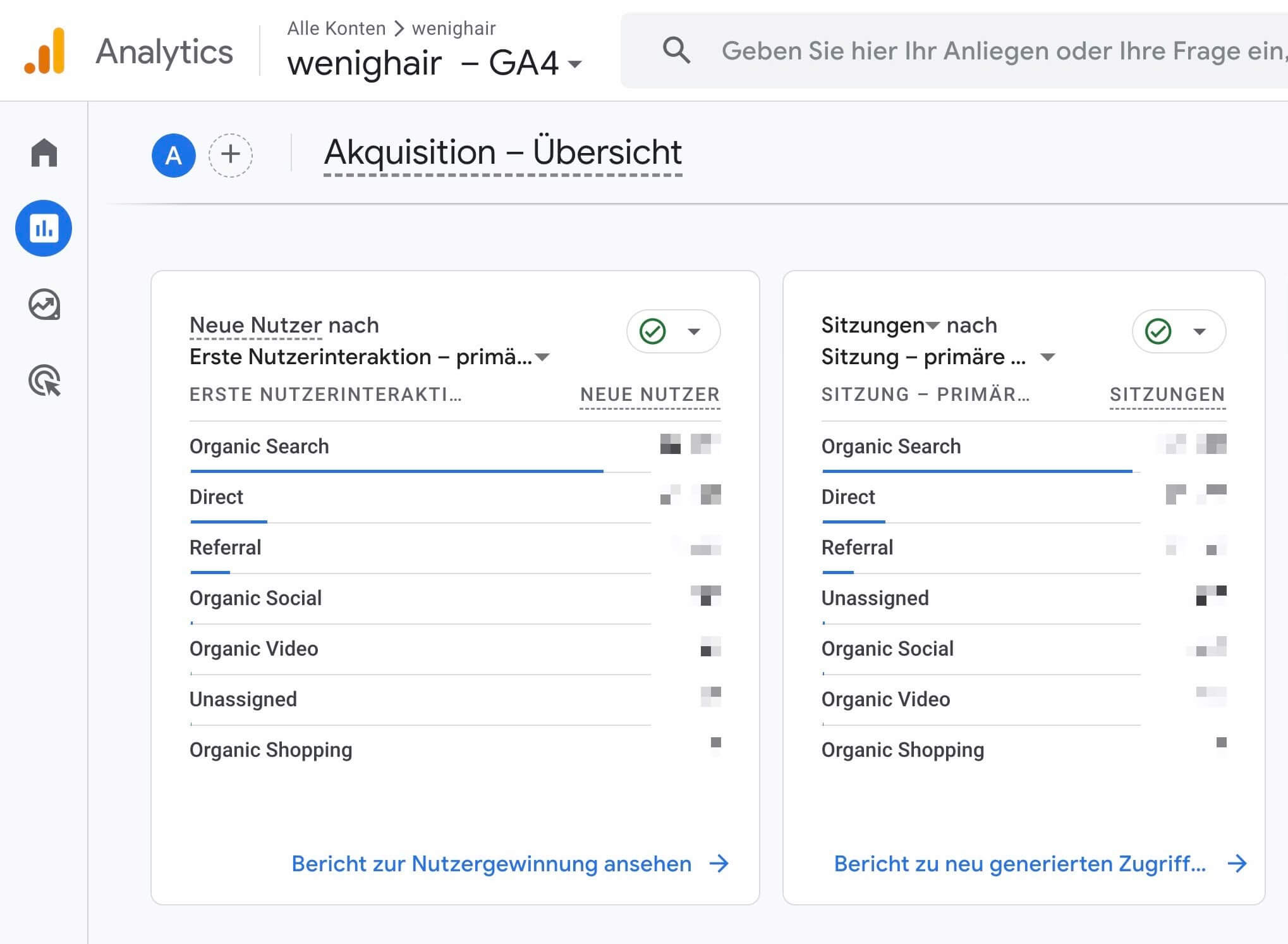
The real breakthrough came from automated clustering of long-tail keywords. The AI found niches I would never have found by hand. A concrete example: I searched for keywords around "shaving a bald head". But the AI also clustered related topics like "scalp care after shaving", "razor comparisons for bald heads" and "optimizing your shaving routine".
This niche, practical shaving guides with product recommendations, led to a new product line and brought 30% more organic traffic. Why? Because the user intent was clear: people WITH a bald head looking for concrete solutions. High intent. High conversion. With manual research this would have stayed hidden for months.
03 ✺ IMPACT
Measurable scaling that carries itself
The numbers speak for themselves:
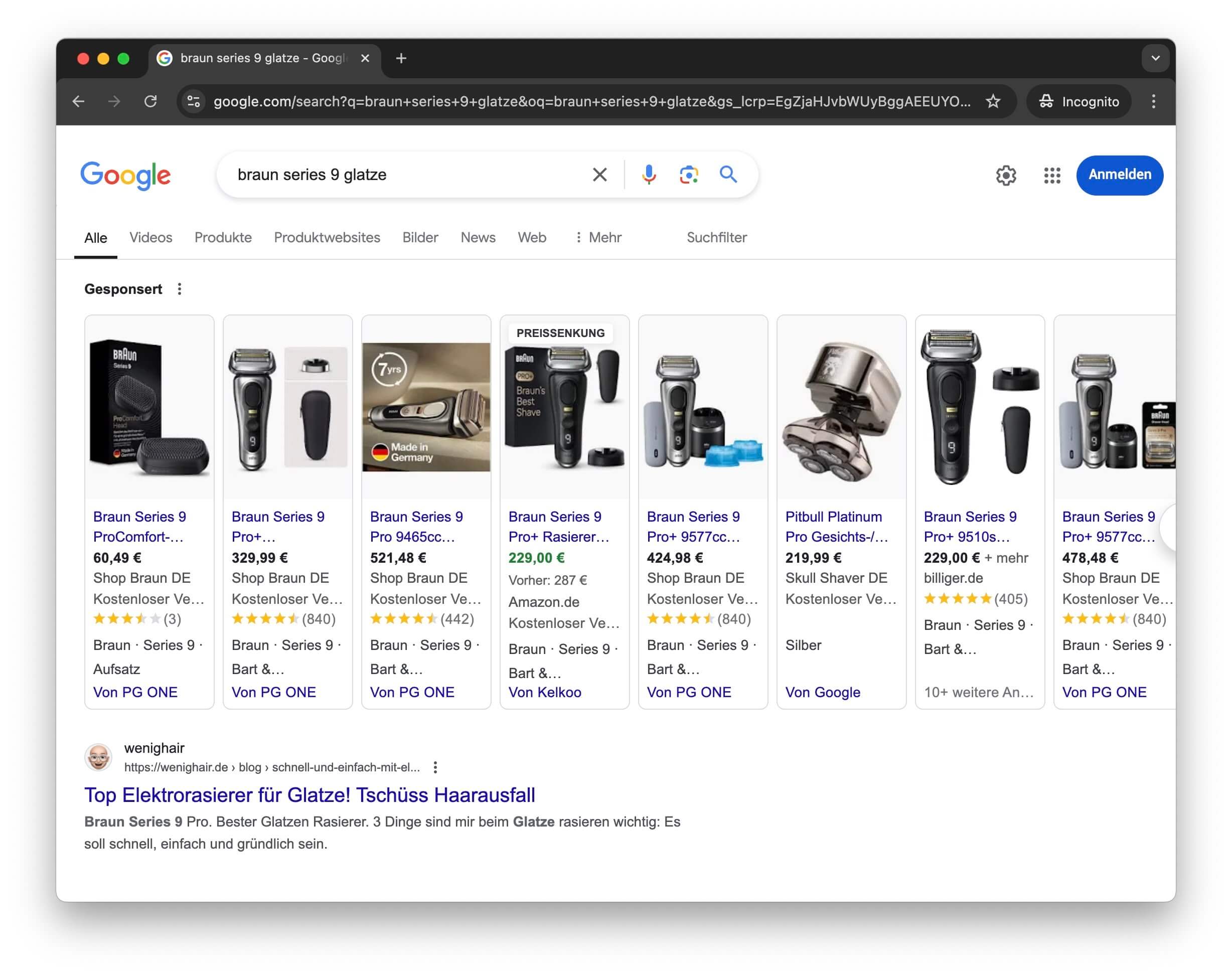
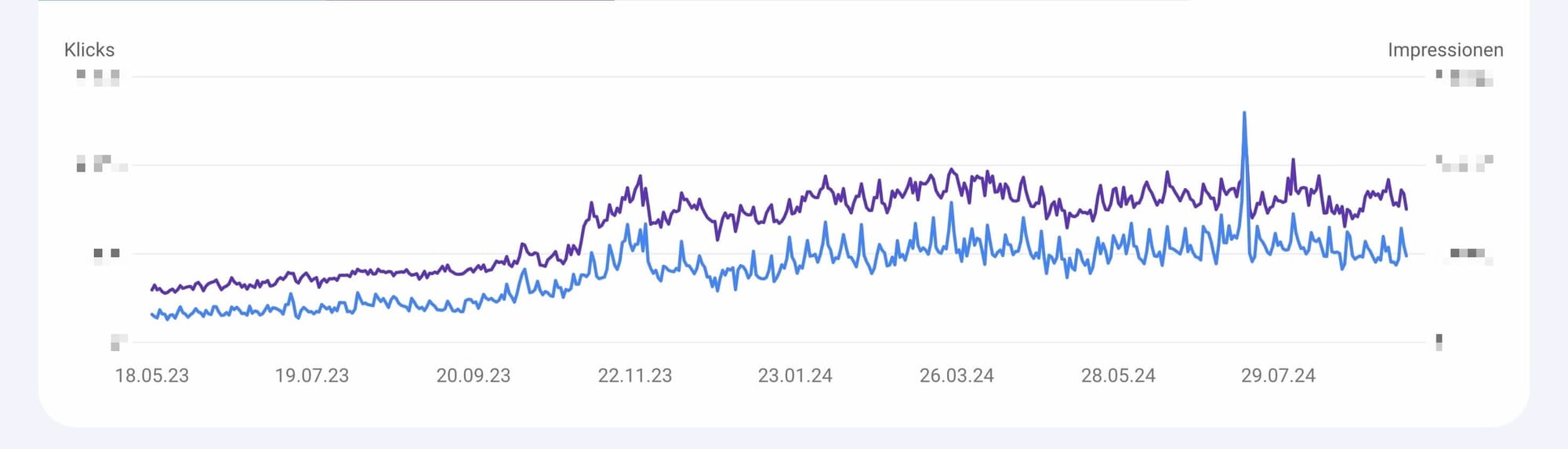
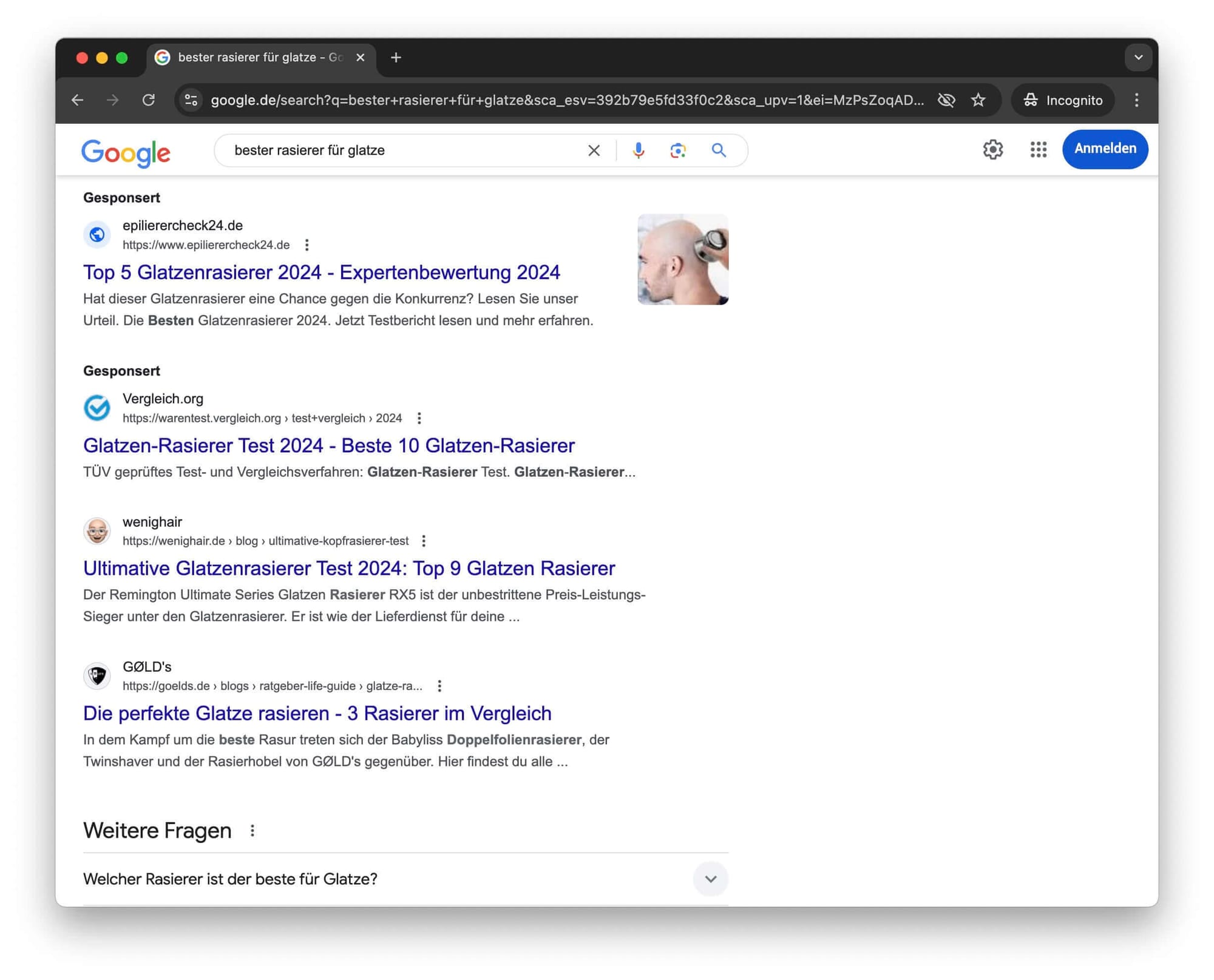
- 200+ keywords at number 1 on Google
- 1,000+ keywords on page 1
- 150% more output (from 10 to 25 articles a month)
- 30% more traffic from newly opened niches
- Ongoing affiliate income, fully organic, no ad budget
But the real story is the system behind the numbers.
AI clustering gave me an SEO strategy based on data instead of luck. I knew which topics would work before I wrote them. I saw gaps in the market before the competition filled them. I scaled content without giving up quality.
At the same time I learned that AI is a co-pilot, never an autopilot. The best articles came about when I combined AI insights with human experience. When I understood the data but also listened to my community. When I went for efficiency but stayed authentic.
A lesson I'll never forget: scaling content with AI only works if the basics are right. SEO fundamentals. Thinking from the user's side. Real expertise in the topic. AI can speed things up, but it can't replace them. It can structure, but it can't invent. It can scale, but it can't convince.
The affiliate income proves it: traffic alone isn't enough. You need conversion optimization. The 40% longer time on site and 25% more conversions came from user journeys optimized for UX, rather than from AI texts. From real value. From content that helps instead of only ranking.
Today wenighair is the largest German-language platform about going bald. Grown organically. No team. No ad budget. With AI as an amplifier, not a replacement.
04 ✺ TAKEAWAYS
What you can take away from this showcase:
- AI only scales when the SEO basics are right: automation without a foundation is chaos with structure.
- 80% groundwork means 100% quality control: efficiency doesn't mean handing over responsibility.
- Clustering finds the niches that searching misses: data shows patterns that stay invisible by hand.
- User intent beats search volume: relevance converts. Traffic alone doesn't pay the bills.
- Scaling content takes systems, not manpower: growth doesn't have to be linear if your strategy thinks exponentially.
Is the work growing faster than your team?
Tell me where things are stuck the most right now. That's exactly where I start with AI, ideally from the inside, as part of your team.